
Channel as a Choice Architect: Why Where We Buy Shapes What It's Worth
Where a customer buys shapes what they'll pay. The same product priced identically across a marketplace, a branded app, a kiosk, and a guided sales motion produces radically different willingness to pay. Channel is the frame. Pricing power starts with choosing which frame a customer sees.
Emily Ellis · 2025-09-15
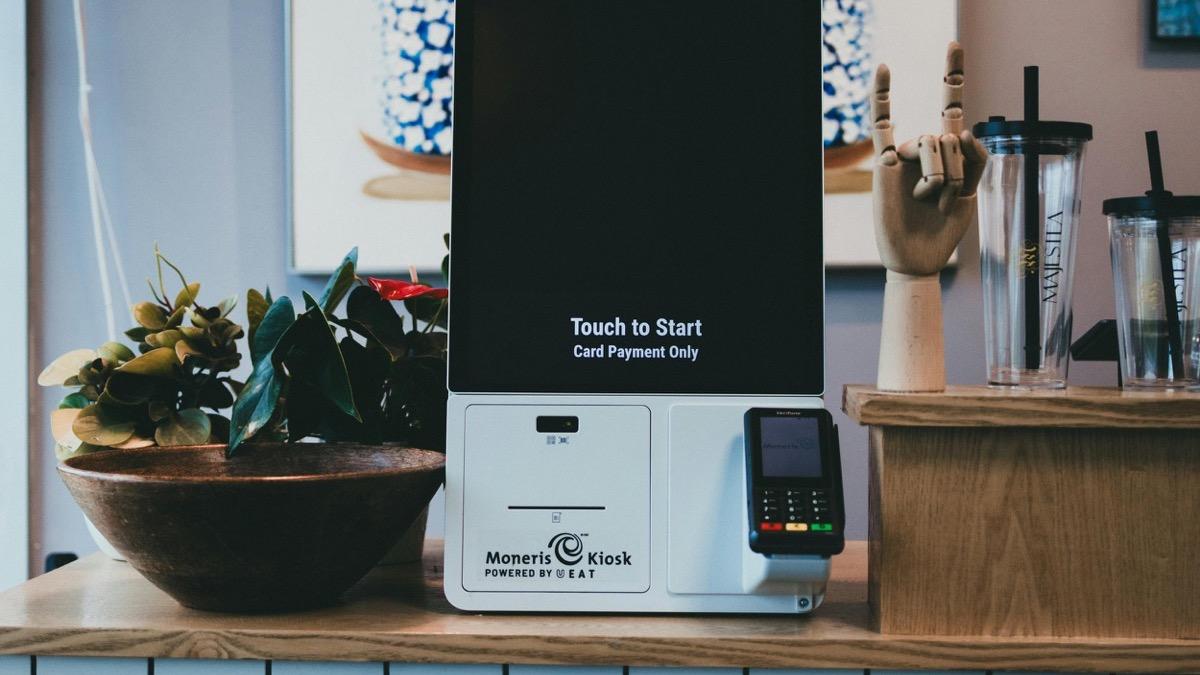
Where a customer buys is as important as what they buy. Same product, same price, different channel, different decision. The channel is the frame that sets expectations, attention, and what feels fair.
Where Money Leaves
Companies that treat channel as a distribution decision rather than a pricing decision leave substantial margin unrealized. A product sold through a marketplace is priced against a filter-sorted list of substitutes. The same product sold through a branded app with a loyalty structure is priced against a curated experience and membership status. The willingness to pay gap between those two frames can reach 20 to 35 percent for identical inventory.
Behavioral economists Thaler and Sunstein call this choice architecture. The frame is doing as much work as the product. When Iyengar and Lepper ran their jam study, shoppers offered 24 flavors were 10x less likely to buy than shoppers offered 6. Too many options created paralysis and lowered willingness to convert at any price. Marketplaces reproduce this condition structurally.
The cost shows up in three places. Marketplace-heavy brands show lower gross margin and higher promotional dependency. App-weak brands miss the AOV lift from personalization and loyalty. In-store brands without sensory or sales discipline rely on list price instead of impulse and bundle economics. Each of these is a pricing problem disguised as a channel problem.
Building the System
Step 1: Map channel to decision mode
Every channel triggers a different decision mode. Marketplaces trigger comparison. Branded apps trigger loyalty. Kiosks trigger customization. Retail stores trigger impulse and sensory evaluation. Guided selling triggers co-creation. Your choice architecture has to match the mode, not fight it.
For a direct-to-consumer apparel brand, the marketplace presence should be sized for discovery and review aggregation, not margin capture. The branded app should carry the premium SKUs, the exclusive drops, and the loyalty tiers. Asking the marketplace to sell the premium SKU at full price is asking the wrong channel to do a job it can't structurally support.
Step 2: Redesign marketplace listings for rank, not story
Marketplaces reward high-rank placement, strikethrough price anchors, strong review volume, and SEO-matched titles. Losing brands try to tell a story on marketplace pages. Winning brands optimize for the scan pattern. The scan is price, rating, delivery, image, bullet features. Story doesn't fit.
Move premium SKUs off the marketplace, or sell them only in bundle configurations that aren't directly comparable to single-unit substitutes. Let the marketplace do discovery for entry SKUs and push high-margin buyers to the branded channel.
Step 3: Make the branded app a loyalty environment, not a storefront
A branded app without loyalty structure is a worse marketplace. A branded app with tiered rewards, member-only drops, personalized offers, and progress-to-reward signaling operates on different psychology. Goal-gradient effects mean customers close to a reward threshold spend more per session. Exclusivity cues raise perceived value for identical SKUs.
Nike and Sephora built their app economics on this frame. Orders are larger, repeat rates are higher, and promotional intensity is lower than the same brand's marketplace presence. The app isn't a channel, it's a pricing instrument.
Step 4: Use kiosks and self-serve as customization engines
Order kiosks in quick-service restaurants lift AOV by 10 to 30 percent over counter ordering. The mechanism is the endowment effect. When customers configure their own order, they value it more and accept higher total prices. Friction that feels like inconvenience from an operations perspective is actually friction that compounds willingness to pay.
For digital self-serve equivalents, design the flow to surface customization choices with real price movement. Flat add-on toggles don't work as well as configurators that visualize the cumulative choice. The visible build-up is the pricing lever.
Step 5: Preserve guided selling where decisions are complex
Guided selling matters most where customers can't easily evaluate fit on their own. Luxury retail, complex B2B, high-end fitness categories, enterprise software. Train sales teams to delay price, front-load needs discovery, and configure bundled outcomes. Price enters the conversation after the buyer has invested in co-designing the solution.
A Peloton showroom, a Porsche dealer, and a six-figure enterprise SaaS sales motion all follow the same logic. Price reveal is timed, not fixed. Build ROI calculators and needs-based bundle templates so the rep can walk the buyer through value before price.
What Falls Apart
Teams get stuck when they try to run one pricing strategy across every channel. The marketplace SKU, the app SKU, and the retail SKU don't need the same price, the same bundle, or the same presentation. Channel-flat pricing is usually the sign of a brand that hasn't segmented its customer base by where they shop and how they decide.
The second failure mode is over-investing in the channel that's easiest to measure. Marketplace dashboards are granular, so marketplace gets the attention. Branded apps and loyalty programs often have weaker attribution in the short term but stronger lifetime value in the long term. If your channel investment map matches your attribution map rather than your economics map, you're under-investing in the channels that compound.
Which channel in your mix is doing the most pricing work for you, and which one is silently giving margin away?
Do This Quarter
- Audit each channel by decision mode and mark which pricing and framing levers match
- Pull AOV and gross margin by channel for the last four quarters and identify the biggest gap
- Redesign marketplace listings for rank and review performance, not brand story
- Strengthen the branded app loyalty structure with a progress cue, a tiered reward, and a member-only offer
- Train field and showroom teams to delay price reveal and lead with needs-based bundles
Next Steps
Take the FintastIQ Pricing Diagnostic to see where your channel strategy is diluting pricing power.
Company names and figures in worked examples are illustrative or changed to protect client confidentiality.
Talk this through with an operator, or score your own commercial system first.